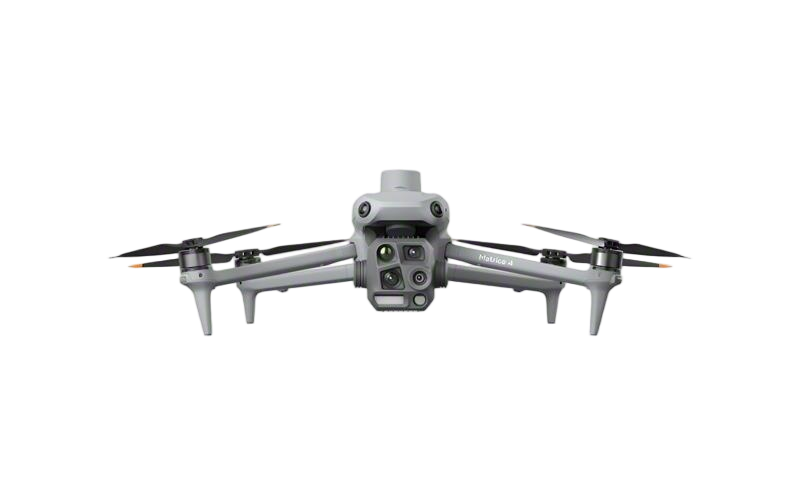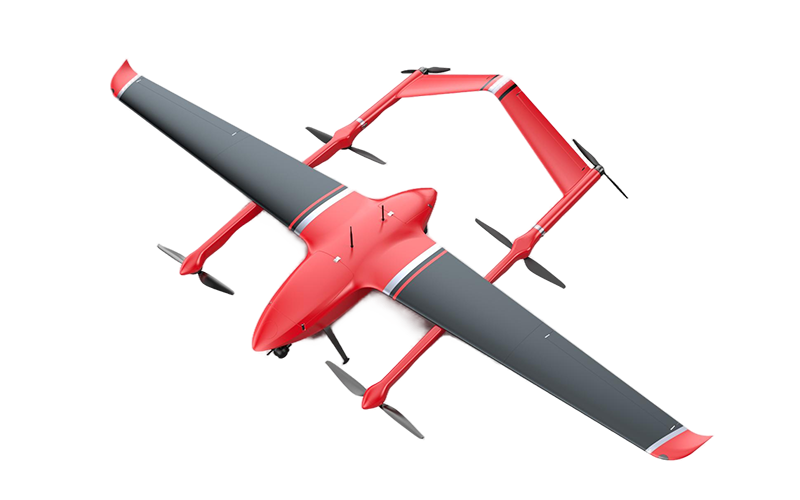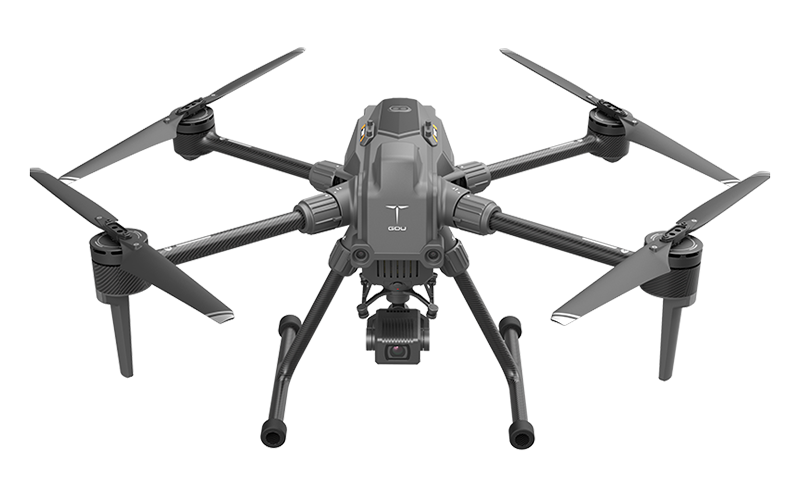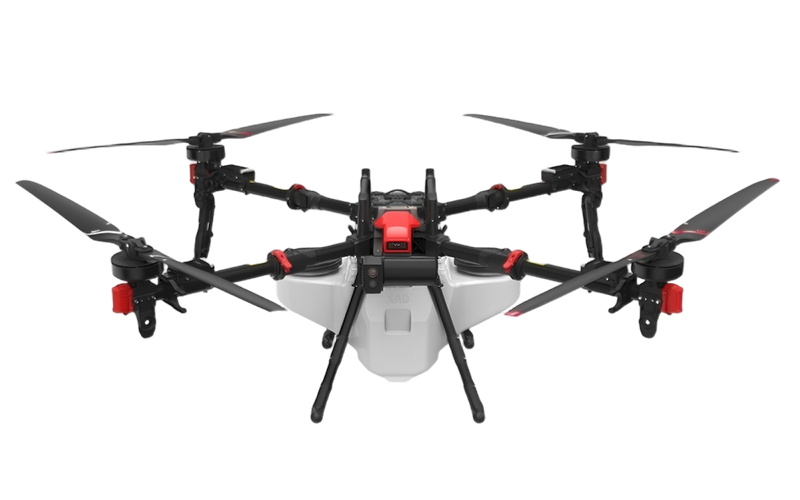
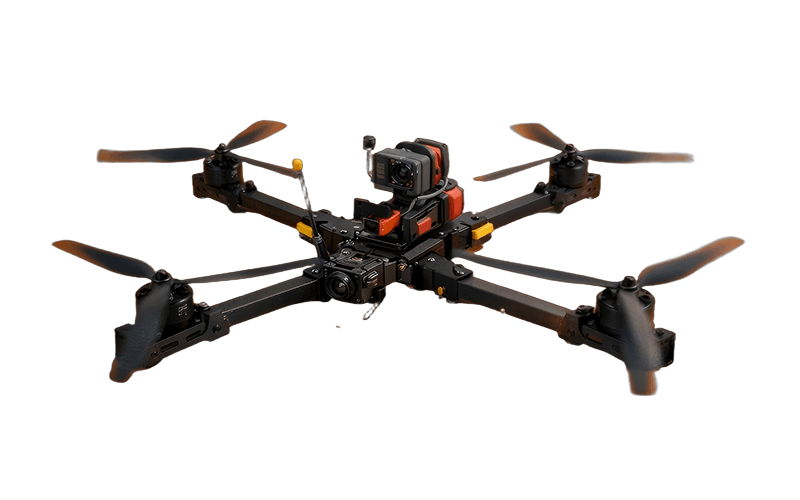
In 2026, the landscape of Industrial UAVs is expected to evolve dramatically. As companies like DJI and Parrot innovate, experts emphasize the importance of efficiency. Dr. Robert Thompson, a leading figure in unmanned systems, states, “Industrial UAVs will revolutionize aerial solutions." His insights highlight the growing impact of these technologies on various industries.
As tasks become more demanding, the need for robust aerial solutions rises. Industrial UAVs address this need through enhanced capabilities and adaptability. They support inspections, mapping, and surveillance with remarkable precision. Yet, the industry faces challenges, such as regulatory hurdles and integration into existing workflows.
One key aspect is data reliability. While UAV technology is advancing, ensuring data integrity remains crucial. The future promises exciting developments, but reflection on current limitations is essential. Embracing new advancements in Industrial UAVs will require collaboration and continuous learning across sectors.
Industrial UAVs, or drones, are transforming aerial solutions across various sectors in 2026. These advanced machines offer efficiency that traditional methods struggle to match. They provide significant benefits in agriculture, construction, and logistics. For example, drones now monitor crops with high precision, identifying issues in real-time. This capability helps farmers make data-driven decisions quickly.
In construction, UAVs streamline project management by providing clear aerial views of job sites. They can capture high-resolution images and create 3D models, ensuring teams align with plans. However, challenges remain. Regulatory hurdles and privacy concerns still need addressing. Additionally, the technology is evolving, yet some drones may lack reliability in harsh weather conditions.
As industrial UAVs burgeon, they face scrutiny from various industry players. The future will require a balance between innovation and responsibility. Industry experts highlight the need for comprehensive training and support for operators. This ensures safety and enhances operational efficiency. Understanding these nuances is crucial for maximizing the potential of UAVs in industrial applications.
The landscape of industrial UAVs is changing rapidly. In 2026, key technologies will drive aerial efficiency. These developments focus on automation, data analytics, and battery life improvements. A recent industry report indicated that UAVs equipped with advanced AI could improve operational efficiency by up to 30%. This marks a significant leap in performance.
Automation plays a crucial role in enhancing efficiency. UAVs can now autonomously complete complex tasks, reducing the need for manual oversight. This technology minimizes human error and operational costs. Additionally, enhanced data analytics allow for real-time decision-making. A study showed that integrating real-time data could decrease response times by 25%.
Battery technology is another area of focus. The introduction of high-capacity batteries is extending flight times. Current reports show that UAVs can now operate for over 50 minutes on a single charge. However, challenges remain. Some UAVs still struggle with payload capacity, requiring ongoing development. These factors must be addressed for the industry to reach its full potential.
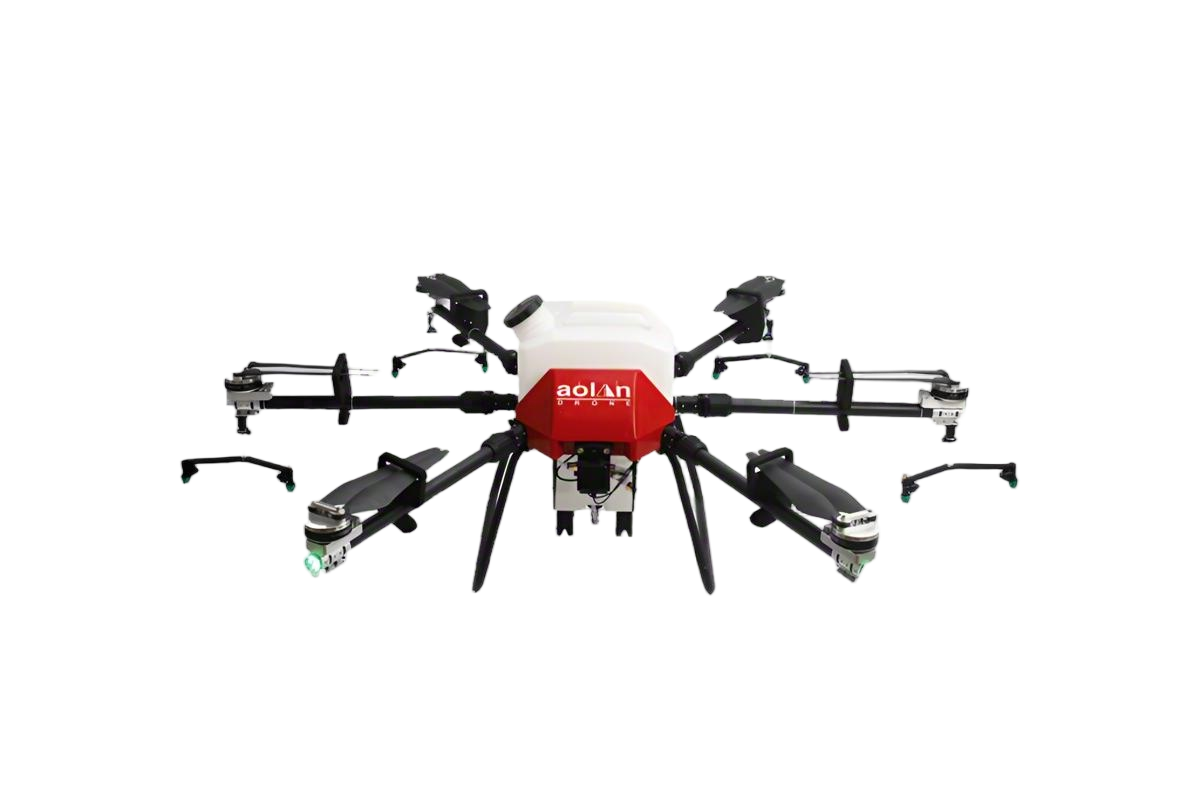
The rise of industrial unmanned aerial vehicles (UAVs) is reshaping many sectors. They deliver efficient solutions for agriculture, construction, and surveying. Their designs focus on enhancing productivity while minimizing costs. Precision agriculture benefits greatly from UAVs, allowing farmers to monitor crops effectively. Drones can collect vital data, which enables better decision-making.
For construction, UAVs simplify site monitoring and progress tracking. They provide real-time aerial images, ensuring projects stay on schedule. Yet, teams must consider factors like GPS accuracy and battery life when selecting models. These elements significantly impact their operational effectiveness.
Tip: Always test UAVs in your specific environment. Conditions differ drastically across locations. A drone that works well in one area may perform poorly in another.
In surveying, UAVs offer a safer alternative to traditional methods. They can access difficult terrains, reducing risk for workers. However, operators need to be aware of weather conditions and terrain types. Understanding these factors is crucial for obtaining accurate data.
Tip: Invest time in training operators. Skilled pilots can maximize a UAV’s potential. Proper training leads to better usage and improved outcomes across all tasks.
In 2026, the industrial UAV landscape is poised for substantial advancements. A comprehensive analysis of performance metrics reveals key trends. According to a 2023 report from the Association for Unmanned Vehicle Systems International, drone flight endurance is expected to increase by 25%, reaching an average of over 50 minutes. This enhancement will significantly impact logistics and surveying applications.
Payload capacity is another critical metric under scrutiny. Current trends suggest that UAVs will handle weights exceeding 10 kilograms more effectively, catering to diverse industries like agriculture and construction. A study by Deloitte anticipates that downlink transmission speeds will double, improving data collection precision. Yet, despite these advancements, challenges remain in regulatory compliance and data security. Operators must navigate complex airspace regulations, limiting operational flexibility.
Additionally, battery technology is rapidly evolving. While many drones still rely on traditional lithium-ion batteries, emerging alternatives show promise. New materials could lead to lighter, longer-lasting power sources. However, reliability issues persist, particularly in extreme weather. As industries adopt UAVs more broadly, ongoing analysis will be essential. Fragen remain about scalability and environmental impact. The future presents opportunities, but cautious optimism is necessary.
The evolving landscape of industrial drones in 2026 presents exciting opportunities, yet regulatory considerations must not be overlooked. Industry reports indicate that the global drone market is expected to surpass $43 billion by 2026. As companies increasingly adopt UAVs for tasks like surveying and monitoring, adherence to local and international regulations is critical. The FAA, for example, has established specific guidelines regarding airspace use, safety protocols, and certification for operators. Understanding these rules can facilitate smoother operations and avoid potential fines.
Compliance isn't just about avoiding penalties. Companies that excel in regulatory adherence often gain a competitive edge. A study by PwC noted that 57% of drone operators prioritize compliance, suggesting it is essential to building trust with stakeholders. Businesses might face hurdles in shaping policies that align with technological advancements and public safety. Continuous dialogue with regulatory bodies can help address these challenges.
Tips:
Stay informed about changes in drone legislation. Regular training for staff about compliance can mitigate risks.
Establish partnerships with regulatory consultants to navigate complex frameworks effectively.
The future of UAV development looks promising, especially in industrial applications. According to recent market analyses, the global UAV industry is projected to grow at a compound annual growth rate (CAGR) of over 14% from 2026 to 2031. This significant growth can be attributed to advances in technology, including improved battery life and enhanced payload capacity. Companies are exploring diverse applications. From agriculture to logistics, UAVs are transforming industries.
Innovative features are becoming standard. High-resolution cameras and advanced sensors are now vital for gathering real-time data. These features enhance surveillance, mapping, and inspection processes. Reports suggest that industries are increasingly adopting UAVs for monitoring infrastructure and delivering goods. However, challenges remain. Regulatory hurdles and safety concerns can hinder widespread adoption. Stakeholders must address these issues to ensure safe operations.
The demand for skilled operators is on the rise. Training programs are essential to meet industry needs. Yet, the skills gap persists. Many organizations struggle to find qualified personnel. Developing an effective training framework is a critical step. As the market evolves, continuous education will be vital for success. Industry leaders must prioritize adapting to changing technological landscapes while fostering a knowledgeable workforce.
Industrial UAVs have transformed various sectors, from agriculture to construction. Their successful implementation has resulted in significant efficiency gains. For instance, a report from the Federal Aviation Administration indicated a projected growth of 25% in drone usage for agricultural purposes by 2026. Many farmers have adopted UAVs for crop monitoring and precision spraying. These drones not only save time but also reduce chemical usage by targeting specific areas.
A case study in the energy sector showcased how UAVs are used for infrastructure inspections. A leading utility company employed drones to assess power lines and wind turbines. Inspections that once took days are now completed in hours. This not only improves safety but also decreases operational costs. An analysis showed a 30% reduction in inspection-related expenses when utilizing UAV technology. However, there are challenges, such as regulatory hurdles and the need for skilled operators.
In construction, UAVs help with site surveys and progress tracking. A recent study highlighted that companies using drones achieved a 15% improvement in project delivery times. Yet, accuracy issues sometimes arise due to terrain variations and weather conditions. Such factors necessitate ongoing training and adaptation. The potential for drones in industrial applications is vast, but even a small oversight can lead to inefficiencies.
| UAV Model | Payload Capacity (kg) | Flight Duration (min) | Range (km) | Applications |
|---|---|---|---|---|
| Model A | 15 | 40 | 100 | Surveying, Photography |
| Model B | 20 | 50 | 150 | Agriculture, Monitoring |
| Model C | 10 | 30 | 80 | Inspection, Mapping |
| Model D | 25 | 60 | 200 | Delivery, Logistics |
| Model E | 18 | 45 | 120 | Emergency Response, Surveying |
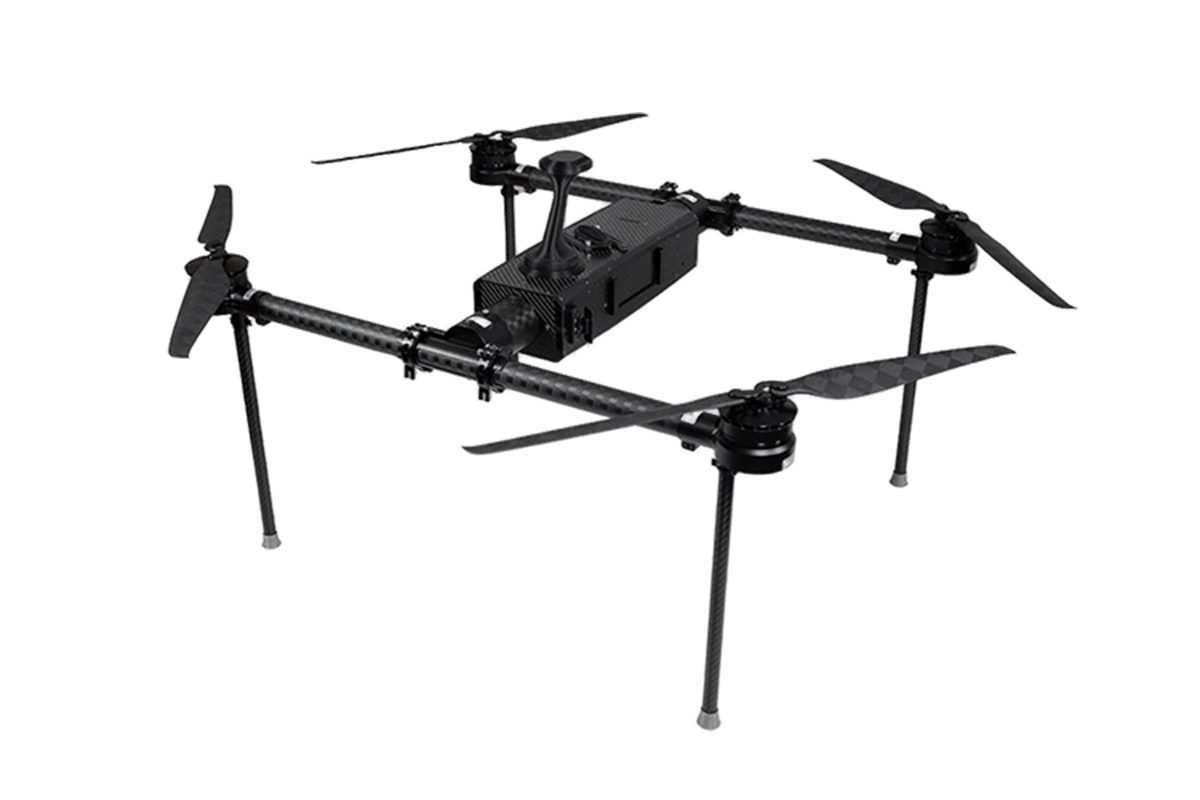
The versatility of quadcopters has made them an invaluable tool for professionals engaged in mapping and inspection tasks across various industries. The Keel Mini Quadcopter emerges as a reliable solution, equipped to handle intricate aerial data capture efficiently. According to a comprehensive market analysis by the Drone Industry Insights, the demand for aerial mapping solutions is projected to grow by 27% annually, driven by advancements in drone technology and the increasing need for accurate geographic data.
In the realm of mapping, the Keel Mini Quadcopter excels by providing high-resolution imaging capabilities essential for creating detailed topographic maps and 3D models. Studies from the Association for unmanned vehicle systems international suggest that drones can reduce mapping time by up to 70% compared to traditional ground surveys, significantly optimizing project timelines and costs. The compact design of the quadcopter enhances its ability to navigate challenging terrains, making it suitable for both urban and remote environments.
For inspection tasks, the Keel Mini Quadcopter offers aerial data collection that enhances the safety and accuracy of inspections. Research published in the Journal of Field Robotics indicates that aerial inspections can detect structural defects more reliably than ground-based methods, allowing for earlier interventions and maintenance planning. By integrating sophisticated sensors and imaging technology, this quadcopter stands out as a professional-grade solution that elevates efficiency in both mapping and inspection workflows, transforming how industries approach aerial data collection.
Vs?
Automation enables UAVs to autonomously complete complex tasks, reducing manual oversight and operational costs.
Integrating real-time data can decrease response times by 25%, allowing for quicker decision-making in operations.
Some UAVs can now operate for over 50 minutes on a single charge, thanks to advancements in battery technology.
Many UAVs still struggle with handling heavier payloads, which requires ongoing development and innovation.
Flight endurance is expected to increase by 25%, allowing for more efficient logistics and surveying applications.
UAVs are expected to handle weights exceeding 10 kilograms more effectively, meeting the needs of various industries.
Reliability issues, particularly in extreme weather conditions, must be addressed as new battery materials are developed.
Continuous analysis is vital to address challenges related to scalability, regulatory compliance, and environmental impact.
Operators face complex airspace regulations that can limit operational flexibility and compliance.
The article "Top Industrial UAVs for Efficient Aerial Solutions in 2026" provides a comprehensive overview of the advancements and applications of Industrial UAVs in various sectors. It highlights the key technologies that are enhancing aerial efficiency, such as improved battery life, advanced sensor integration, and autonomous navigation systems. The discussion includes a comparative analysis of different Industrial UAV models catering to distinct applications, along with a detailed examination of their performance metrics.
Moreover, regulatory considerations are essential for the safe and compliant use of Industrial UAVs, and the article explores how evolving laws impact their deployment. Looking ahead, the piece anticipates future trends in UAV development and market growth, supported by case studies showcasing successful implementations. Overall, Industrial UAVs are positioned to revolutionize operational efficiency across industries by providing innovative aerial solutions tailored to specific needs.